
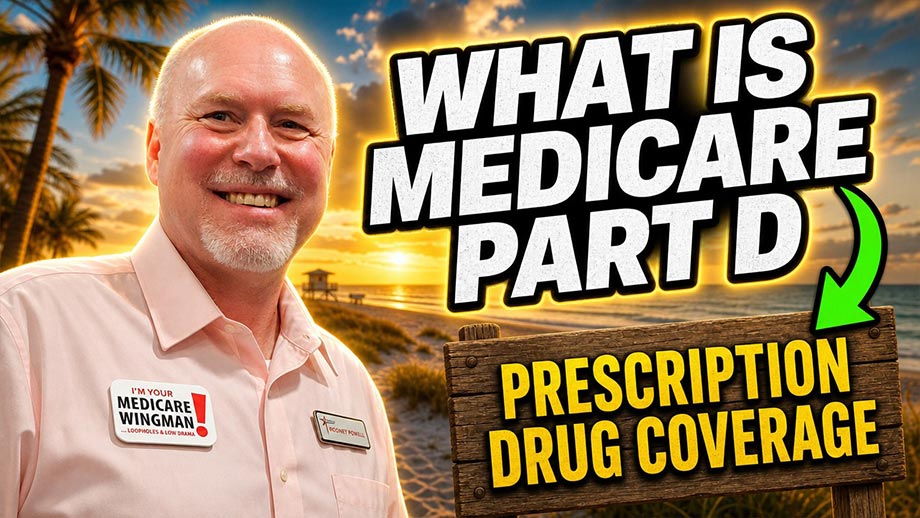
Direct answer: Medicare Part D is optional prescription drug coverage, separate from Part A and Part B, offered through private insurers approved by Medicare. Each plan maintains its own formulary — a list of covered drugs organized into cost tiers — which directly determines what you’ll pay for your specific medications. Part D recently underwent its biggest structural change in years: the old coverage gap has been eliminated, replaced by a firm annual out-of-pocket cap. Choosing the right plan means comparing your actual medications against a plan’s formulary, not just its premium — and understanding upfront that paying for Part D doesn’t mean your prescriptions cost nothing.
You need to already be enrolled in Medicare Part A or Part B to enroll in Part D. Enrollment isn’t automatic — you apply directly through a private insurance provider.
Late enrollment penalties are real and permanent. If you delay signing up without other creditable drug coverage (like an employer plan), you’ll face a penalty added to your premium — roughly 1% of the national base premium for every month you went without coverage, for as long as you have Part D. If you have creditable coverage ending, enrolling within 63 days of that coverage ending protects you from this penalty.
Coverage depends entirely on your specific plan’s formulary, with medications organized into cost tiers — generally, lower tiers for generics cost less, higher tiers for brand-name and specialty drugs cost more. Your actual costs depend on:
Does Paying a Part D Premium Mean My Drugs Are Free?
No — this is one of the most common misunderstandings about Part D, and it’s worth stating plainly. Paying a monthly premium gets you access to a plan’s formulary at negotiated, insurance-adjusted pricing — it doesn’t mean your medications cost nothing. You’ll still generally owe a deductible (if your plan has one), then a copay or coinsurance for each prescription based on that drug’s tier, every time you fill it. A generic on a low tier might genuinely cost very little out of pocket. A specialty drug on a high tier can still carry a real, sometimes substantial cost-share even with active Part D coverage in place.
This misunderstanding tends to surface at the worst possible moment — someone assumes their premium has already “covered” their medications, then gets a real bill at the pharmacy counter and wrongly concludes something’s wrong with their plan. Nothing’s wrong; that’s simply how the coverage is structured. The premium buys you a negotiated formulary and protection against catastrophic costs once you hit your annual cap — it doesn’t buy zero-cost prescriptions along the way.
This is the most important update if you haven’t reviewed your coverage in the last couple of years. Part D underwent a major redesign that eliminated the old “coverage gap” (sometimes called the donut hole) entirely, replacing it with a simplified three-phase structure:
Beyond this structural redesign, a few other recent changes are worth knowing: insulin now carries a capped monthly cost regardless of your plan’s deductible or tier, and a voluntary payment-smoothing option — the Medicare Prescription Payment Plan — lets you spread your out-of-pocket drug costs into predictable monthly installments across the year instead of larger payments at the pharmacy early on. For the full mechanics of both, see our guides on the Part D insulin cost cap and the Medicare Prescription Payment Plan.
Yes, worth knowing alongside your Part D coverage rather than as a replacement for it. Tools like GoodRx, Mark Cuban’s Cost Plus Drugs, Amazon Pharmacy’s RxPass, and the newer TrumpRx platform can sometimes beat your Part D copay for specific generic medications — but none of them provide real insurance protection or an out-of-pocket cap the way Part D does, and dropping Part D coverage to rely on them alone risks the permanent late enrollment penalty. See our guides on comparing these discount options against Part D for the full picture of when each makes sense.
One more recent development worth knowing: weight-loss GLP-1 medications, historically excluded from Part D entirely, now have a path to coverage through a newer federal demonstration program, separate from standard Part D rules — worth checking your eligibility directly if this applies to you.
Standalone Part D plans add prescription coverage to Original Medicare, letting you keep traditional Medicare’s flexibility and choose your Part D plan independently of your medical coverage — meaning you can switch your drug plan without touching your medical coverage at all if your medication needs change.
Medicare Advantage plans with drug coverage (MAPD) bundle hospital, medical, and prescription coverage into one plan, often with added perks like vision or dental — but your drug coverage is tied to your medical plan, so you can’t change one without the other.
When choosing between plans, focus on:
Bottom Line
Medicare Part D fills a real, significant gap left by Original Medicare, and its recent redesign — eliminating the coverage gap and introducing a firm annual cap — represents a genuine improvement in cost predictability. But it’s insurance, not free medication: copays and coinsurance still apply per prescription based on tier, even after you’ve paid your premium. Choosing the right plan means comparing your actual medications against each candidate plan’s formulary and total expected cost, not the advertised premium alone, and revisiting that comparison every Annual Election Period rather than assuming your current plan still fits. An independent Medicare broker can walk through your specific medications against available plans at no cost to you.
Key Takeaways
FAQ
What is Medicare Part D?
Optional prescription drug coverage through private insurers, available as a standalone plan or bundled with Medicare Advantage.
If I pay for Part D, are my prescriptions free?
No. You’ll still generally pay a deductible (if applicable) plus a copay or coinsurance per prescription based on the drug’s tier — the premium buys access to coverage, not zero-cost medications.
Does Medicare Part D still have a “donut hole”?
No. A recent redesign eliminated the old coverage gap entirely, replacing it with a firm annual out-of-pocket cap after which covered drugs cost nothing for the rest of the year.
What happens if I don’t sign up for Part D when I’m first eligible?
You risk a permanent late enrollment penalty added to your premium, unless you have other creditable drug coverage and enroll within 63 days of it ending.
Should I choose a standalone Part D plan or get drug coverage through Medicare Advantage?
It depends on whether you want to change your drug coverage independently of your medical coverage (standalone) or prefer one bundled plan (Medicare Advantage).
Can I use GoodRx or similar discount tools instead of Part D?
You can use them alongside Part D for specific generics, but they don’t provide real insurance protection or an out-of-pocket cap, and dropping Part D risks a permanent penalty.
How often should I review my Part D plan?
Every Annual Election Period each fall — formularies, tiers, and costs can change annually even if you don’t switch plans.
By submitting your information, you agree that a licensed insurance agent may contact you by phone or email to answer your questions or provide additional information about Medicare Advantage or Prescription Drug Plans or Medicare Supplement Insurance plans. This is an advertisement for insurance.
Privacy Policy

We do not offer every plan available in your area. Currently we represent six organizations offering thirty products in your area. Please contact Medicare.gov, 1-800-MEDICARE, or your local State Health Insurance Program (SHIP) to get information on all of your options.
Not connected with or endorsed by the United States government or the federal Medicare program.
HEARTWISE, a Senior Health Services affiliate
Copyright © 2026 HEARTWISE, LLC | Privacy Policy