

Direct answer: A ghost network (or ghost directory) is a health plan’s provider directory containing a high share of inaccurate, outdated, or unavailable listings — doctors who’ve retired, never accepted the plan, moved offices, aren’t taking new patients despite the directory saying otherwise, or list wrong contact information entirely. The result is a network that looks broader and more robust on paper than it actually is in practice, leading beneficiaries to enroll based on incomplete or false information and then face delays, frustration, or unexpected out-of-network costs exactly when they need care.
How Does a Ghost Network Actually Play Out?
Picture this: you carefully compare Medicare Advantage plans during enrollment, check the online provider directory, confirm your trusted doctors are listed as in-network, and enroll with confidence. Months later, you call for an appointment — only to learn the doctor retired years ago, never actually accepted your plan, moved offices, or isn’t taking new patients. The number is disconnected. The network you relied on was partly an illusion.
This problem is especially severe in behavioral health — mental health and substance use treatment — where access is already limited to begin with, but it affects primary care and specialist listings too.
The data shows it’s widespread and persistent, not a rare glitch:
Multiple studies, across different years, specialty types, and plan sizes, point to the same pattern: directories routinely overstate the care that’s actually available.
Why Do Ghost Networks Persist?
Several structural reasons keep this problem alive:
What Does This Actually Cost Beneficiaries?
Ghost networks aren’t just an inconvenience. They can:
Is Anything Being Done About It?
Yes, and progress is genuinely accelerating. The REAL Health Providers Act, enacted as part of a recent federal budget deal, introduces meaningfully stronger requirements for Medicare Advantage plans: verification of directory information at least every 90 days, faster removal of providers who’ve left the network, expanded data elements, mandatory annual accuracy reporting, and — eventually — public display of directory accuracy scores so beneficiaries can compare plans directly. These requirements phase in over the next couple of plan years rather than taking effect immediately, with public accuracy scoring following a year after that. CMS also continues refining its Plan Finder tools and network adequacy rules, though independent experts note that consistent enforcement and real-time accuracy remain ongoing challenges even with the new law in place.
Don’t rely solely on any online directory — treat it as a starting point, not the final word. A simple double-check process:
If you already have a preferred doctor or specialist, verify them before you enroll or during your Annual Enrollment window, and reconfirm periodically for ongoing care — networks shift throughout the year, not just at renewal.
Bottom Line
Ghost networks aren’t rare outliers. Multiple government audits, secret-shopper studies, and independent research consistently show that inaccurate Medicare Advantage provider directories are common — sometimes affecting nearly half or more of listed locations, and a majority of certain specialty listings. They create real barriers to care and erode the transparency beneficiaries deserve when choosing coverage. Better rules are genuinely coming, but until directories become reliably accurate in practice, the safest approach is simple: treat every listing as a starting point, call and confirm, and keep records of what you’re told.
Key Takeaways
What is a ghost network?
A health plan provider directory containing a high share of inaccurate or outdated listings — providers who’ve retired, don’t accept the plan, or aren’t actually available despite being listed as in-network.
How common are inaccurate Medicare Advantage provider directories?
Very common. Multiple independent studies find error rates approaching or exceeding half of listed providers, with behavioral health listings often affected even more severely.
Why do ghost networks happen?
Provider information changes constantly, many directories rely on self-reported data, and historical verification and enforcement requirements have been limited.
What is being done to fix ghost networks?
The REAL Health Providers Act now requires Medicare Advantage plans to verify directories at least every 90 days, remove departed providers quickly, report accuracy annually, and eventually publish public accuracy scores — though full compliance phases in over the next couple of plan years.
How do I check if a provider is actually in-network before enrolling?
Call the provider’s office directly and ask specifically whether they’re currently in-network for your exact plan and accepting new patients — don’t rely on the online directory alone.
Can I switch plans if I discover a directory error after enrolling?
In certain cases, yes — a documented directory error, especially discovered early in the plan year, can support a Special Enrollment Period. Contact 1-800-MEDICARE to explore this option.
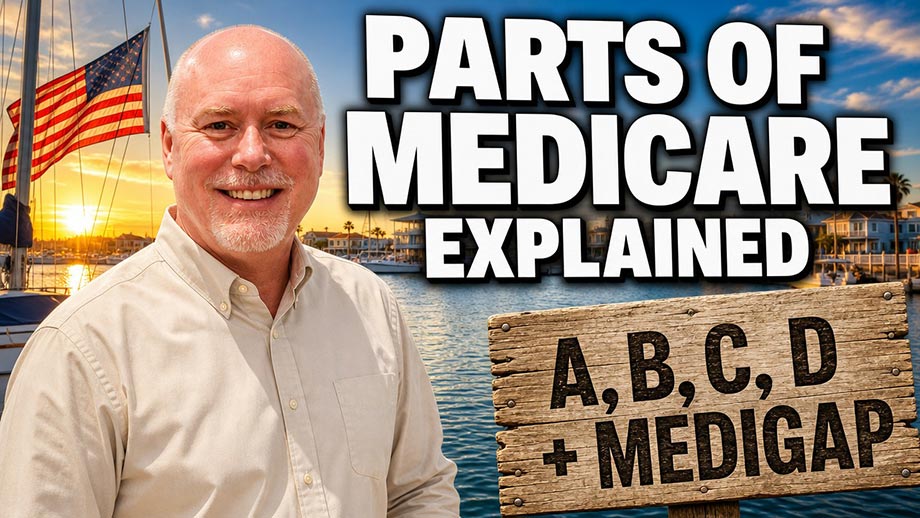
Direct answer: Medicare consists of four parts — Part A (hospital), Part B (medical), Part C (Medicare Advantage, a private-plan alternative), and Part D (prescription drugs) — plus Medigap, a separate supplemental option that isn’t technically a “part” of Medicare but fills gaps Original Medicare leaves open. Understanding how these pieces fit together, and which combination actually applies to your situation, is the foundation everything else builds on.
What Is Medicare Part A?
Part A is your hospital insurance — covering inpatient care, skilled nursing facility care, hospice services, and limited home health care. Most people with sufficient work history (roughly 40 quarters, about a decade) pay no monthly premium; without that history, you can still enroll, but a premium applies. Part A doesn’t cover everything, which is exactly why many people add supplemental coverage. For the full breakdown — including two details that trip people up, observation status and the skilled nursing eligibility prerequisite — see our complete guide to what Medicare Part A covers.
What Is Medicare Part B?
Part B covers outpatient medical services — doctor visits, diagnostic tests, preventive care, and medical supplies. Together, Parts A and B make up Original Medicare. For the complete picture, including a recent expansion of covered mental health providers worth knowing about, see our full guide to Medicare Part B.
What Is Medicare Part C?
Medicare Advantage (Part C) is a private alternative that replaces Original Medicare entirely, bundling Part A and Part B — often with Part D and extras like dental, vision, and hearing — into one plan. You’ll still pay your standard Part B premium regardless of which plan you choose, plus any plan-specific costs, and most plans require using an in-network provider. For the full picture, including network types and how to actually evaluate a plan, see our complete guide to Medicare Advantage.
What Is Medicare Part D?
Part D is optional prescription drug coverage through private insurers, available as a standalone plan or bundled into Medicare Advantage. Costs depend on your plan’s formulary and your specific drugs’ tier placement, and missing your enrollment window without other creditable coverage risks a permanent penalty. One thing worth knowing upfront: paying a Part D premium doesn’t mean your medications are free — copays or coinsurance still apply per prescription based on tier. For the full picture, including Part D’s recent structural redesign, see our complete guide to Medicare Part D.
What Is Medigap?
Medigap (Medicare Supplement) isn’t officially one of Medicare’s four parts, but it’s essential to understand alongside them. Sold by private insurers, Medigap works alongside Original Medicare to cover many of the copayments, coinsurance, and deductibles Parts A and B leave behind. In exchange for a higher, steadier premium, you get freedom to see any Medicare-accepting provider nationwide, with none of the network restrictions that come with Medicare Advantage. For the full picture, see our complete guide to Medicare Supplements.
Original Medicare (Part A and Part B) is the foundation everyone starts with. From there, you’ll generally add Part D for prescription coverage, since neither Part A nor Part B covers most medications. For more complete protection against Original Medicare’s biggest gap — no annual out-of-pocket maximum — you’ll choose between two paths: adding a Medigap policy for maximum flexibility, or switching to Medicare Advantage for bundled benefits and a built-in cost cap. For a deeper walkthrough of that specific decision, see our Medicare Advantage vs. Medigap decision guide.
Bottom Line
Medicare’s “alphabet soup” is more manageable once you see how the pieces actually connect: Parts A and B form the foundation, Part D fills the prescription gap, and Part C or Medigap each solve Original Medicare’s biggest weakness — no cost cap — in different ways with different trade-offs. Assessing your health needs, budget, and provider preferences is what determines the right combination for you specifically, not a one-size-fits-all default. Reach out for personalized guidance to walk through your specific situation with confidence.
Key Takeaways
What are the four parts of Medicare?
Part A (hospital insurance), Part B (medical insurance), Part C (Medicare Advantage), and Part D (prescription drug coverage).
Is Medigap one of the four parts of Medicare?
No. It’s a separate, private supplemental option that works alongside Original Medicare, not an official “part” of Medicare itself.
Do I need all four parts of Medicare?
Not necessarily. Most people start with Parts A and B, add Part D for prescriptions, and then choose either Medigap or Medicare Advantage — not both — to fill Original Medicare’s remaining gaps.
What’s the biggest gap Original Medicare leaves open?
No annual out-of-pocket maximum — a serious illness can generate open-ended costs, which is why most people add Medigap or Medicare Advantage.
Can I have both Medigap and Medicare Advantage?
No. They’re mutually exclusive — Medigap supplements Original Medicare, while Medicare Advantage replaces it entirely.

Direct answer: Medicare Part B is medical insurance covering outpatient and preventive care — everything from doctor visits and diagnostic tests to durable medical equipment and mental health services. It focuses on two categories: medically necessary services needed to diagnose or treat a condition, and preventive services designed to catch problems early or prevent them entirely. Understanding what’s actually included, and what genuinely isn’t, is what lets you plan realistically for the coverage gaps you’ll need to fill separately.
Yes, meaningfully — this is worth knowing if you’re working from older information about what kind of therapist Medicare will actually cover. Medicare recently expanded which mental health providers can bill Part B directly, adding licensed marriage and family therapists and licensed mental health counselors to the list of providers Medicare recognizes — over 400,000 newly eligible providers nationwide, and the first expansion of covered mental health provider types in decades. Previously, only psychiatrists, other physicians, clinical psychologists, and clinical social workers could bill Medicare directly for these services.
One practical caveat if you’re on Medicare Advantage rather than Original Medicare: not every Medicare Advantage plan automatically includes these newly-eligible provider types in its network. If you’re specifically looking to see a marriage and family therapist or licensed mental health counselor, confirm your plan actually covers that provider type before scheduling, rather than assuming coverage follows automatically from the broader Part B rule.
Under Original Medicare, there’s no restriction on the frequency or number of counseling sessions covered, and coverage extends across various therapy approaches, as long as your provider is licensed and accepts Medicare.
What Doesn’t Medicare Part B Cover?
If you need coverage for these excluded categories, Medicare Advantage or standalone supplemental insurance are the typical paths to fill the gap.
Premiums and deductibles: Part B carries a standard monthly premium set by the government, with higher earners paying an additional income-related surcharge (IRMAA) — which can be appealed if your income has genuinely dropped due to a specific qualifying event. You’ll also meet an annual deductible before Part B coverage kicks in.
Coinsurance: Once your deductible is met, you’re typically responsible for roughly 20% of the Medicare-approved amount for most services, with Medicare covering the remaining 80%.
Out-of-pocket costs for excluded services: Anything Part B doesn’t cover — routine vision or dental care, for example — needs to be paid out of pocket unless you have supplemental coverage that addresses it specifically.
Your Initial Enrollment Period is a seven-month window — three months before your 65th birthday month, your birthday month, and three months after. Missing this window without qualifying for a Special Enrollment Period can mean a permanent late enrollment penalty.
If you’re already receiving Social Security benefits, you’re automatically enrolled. Otherwise, you’ll need to actively sign up through the Social Security Administration.
Bottom Line
Medicare Part B forms the backbone of your outpatient medical coverage, and its scope is broader than many people assume — particularly with the recent expansion of covered mental health providers, which meaningfully widens practical access to therapy. But real gaps remain: vision, dental, hearing, and prescription drugs all require separate coverage, and understanding exactly where those boundaries sit is what lets you plan around them deliberately rather than discovering them during a medical visit. An independent Medicare broker can help you explore Medigap or Medicare Advantage options to fill these gaps based on your specific needs.
Key Takeaways
What does Medicare Part B cover?
Outpatient medical care — doctor visits, diagnostic tests, preventive services, durable medical equipment, mental health services, and outpatient rehabilitation.
Does Medicare Part B cover therapy or counseling?
Yes, and coverage recently expanded to include licensed marriage and family therapists and licensed mental health counselors, in addition to psychiatrists, psychologists, and clinical social workers.
Do all Medicare Advantage plans cover the newly-eligible mental health providers?
Not automatically — confirm your specific plan’s network includes marriage and family therapists or mental health counselors before scheduling if that’s the provider type you need.
What doesn’t Medicare Part B cover?
Most prescription drugs, routine vision and dental care, hearing aids, cosmetic surgery, and long-term custodial care.
How much does Medicare Part B cost?
A monthly premium (higher for high earners), an annual deductible, and roughly 20% coinsurance on most covered services after the deductible is met.
When do I need to enroll in Medicare Part B?
During your seven-month Initial Enrollment Period centered on your 65th birthday, unless you qualify for a Special Enrollment Period due to active employer coverage.

Direct answer: A Medicare Supplement, commonly called Medigap, is private insurance that works alongside Original Medicare (Part A and Part B) to help cover the deductibles, copays, and coinsurance Original Medicare leaves you responsible for. It doesn’t replace Original Medicare — it supplements it, reducing your out-of-pocket exposure in exchange for a separate monthly premium. Depending on the specific plan you choose, Medigap can cover a portion or nearly all of these remaining costs.
Why Would I Get a Medicare Supplement?
Medigap isn’t mandatory, but it exists to solve a specific problem: Original Medicare alone has no annual out-of-pocket maximum, meaning a serious illness can generate open-ended costs. Medigap converts that unpredictability into a known, budgetable monthly premium. If you value seeing any provider without network restrictions and want to minimize the risk of a large surprise medical bill, Medigap is generally the right kind of coverage to be looking at.
For a full comparison of these two paths — including which one might genuinely fit your situation — see our Medigap vs. Medicare Advantage decision guide.
How Do I Qualify for Medigap, and When Should I Enroll?
You need to be enrolled in both Medicare Part A and Part B to purchase a Medigap policy. Your strongest opportunity is the Medigap Open Enrollment Period — the six-month window starting the month you turn 65 and enroll in Part B. During this window, insurers can’t deny you coverage or charge more based on your health.
If you’re under 65 and eligible for Medicare due to a disability or ESRD, Medigap access and enrollment rules vary meaningfully by state, since federal law doesn’t guarantee the same protections to under-65 beneficiaries that it does at 65 and older.
Premiums vary by plan, your location, your age, and — outside your protected enrollment window — your health, since insurers can use medical underwriting at that point. Even with a comprehensive Medigap plan, you may still encounter certain costs depending on your specific plan letter:
How Do I Choose the Right Medigap Plan?
Medigap plans are standardized in most states — a given plan letter, like Plan G, offers identical benefits no matter which company sells it. Three states (Massachusetts, Minnesota, and Wisconsin) use their own non-standardized structures instead. Since coverage itself doesn’t vary by carrier in standardized states, your decision mostly comes down to premium, carrier track record, and how comprehensive a plan letter you actually need. Ask yourself:
For a deeper breakdown of specific plan letters — including Plan G, Plan N, and High-Deductible Plan G — see our guides on choosing the right Medigap plan and how High-Deductible Plan G works.
Can I Switch Medigap Plans Later?
You can apply to switch at any time, but outside your initial Open Enrollment Period or a qualifying guaranteed issue event, insurers can generally use medical underwriting to evaluate your application — meaning a health change since you first enrolled could affect your approval or cost. Some states offer additional switching flexibility beyond federal minimums. For the full mechanics of switching risk and your rights, see our guides on what happens if you’re turned down for Medigap and what to know before dropping Medigap for Medicare Advantage.
Bottom Line
A Medicare Supplement fills the specific, significant gap Original Medicare leaves open — the lack of an out-of-pocket maximum — in exchange for a steady monthly premium and, in return, real freedom to see any Medicare-accepting provider nationwide. The details that matter most are timing your enrollment correctly and choosing the right plan letter for your needs, both of which are worth exploring further before you commit. An independent Medicare broker can walk through plan benefits, premium comparisons, and guidance tailored to your specific situation, at no cost to you.
Key Takeaways
What is a Medicare Supplement?
Private insurance that works alongside Original Medicare to cover many of the out-of-pocket costs — deductibles, copays, coinsurance — that Original Medicare leaves you responsible for.
Is Medigap the same as Medicare Advantage?
No. Medigap supplements Original Medicare; Medicare Advantage replaces it entirely with a private network-based plan.
When should I enroll in Medigap?
During your six-month Medigap Open Enrollment Period, starting the month you turn 65 and enroll in Part B, when acceptance is guaranteed regardless of health.
Does Medigap cover prescription drugs?
No. You need a separate standalone Part D plan regardless of which Medigap plan you choose.
Do all Medigap plans cost the same?
No, even though coverage is standardized by plan letter in most states — premiums vary by carrier, location, age, and other factors, making comparison shopping worthwhile.
Can I switch Medigap plans anytime?
You can apply anytime, but outside your initial enrollment window or a qualifying event, insurers can generally use medical underwriting to evaluate your application.

Direct answer: Medicare eligibility comes down to three paths — turning 65, receiving Social Security Disability Insurance for a qualifying period, or being diagnosed with ALS or End-Stage Renal Disease, both of which grant automatic eligibility regardless of age. You also need to be a U.S. citizen or a legal resident who’s lived in the country continuously for at least five years. Qualifying is only half the process, though — knowing which enrollment window applies to your situation is what actually determines whether you avoid a penalty.
What Are the Ways to Qualify for Medicare?
Citizenship requirement: You need to be a U.S. citizen or a legal resident who’s lived in the U.S. continuously for at least five years to qualify.
Qualifying for Medicare doesn’t mean you’re automatically enrolled — knowing your specific window matters for avoiding penalties.
Initial Enrollment Period (IEP): Your first opportunity, a seven-month window — three months before your 65th birthday month, your birthday month, and three months after. Enrolling early in this window generally gets your coverage started right when you turn 65.
Special Enrollment Period (SEP): If you’re still working past 65 and covered by your own or a spouse’s employer plan, you can generally delay enrollment without penalty, then use an eight-month SEP after that employment or coverage ends to enroll penalty-free.
General Enrollment Period (GEP): If you missed your IEP and don’t qualify for an SEP, this annual fallback window each winter lets you enroll in Parts A and B. One important update if you’re working from older information: coverage through the GEP now starts the month immediately following your enrollment, not on a delayed fixed date the way it used to work under older rules. Late enrollment penalties can still apply if you didn’t have other creditable coverage during the gap, so the GEP is a genuine safety net, not a penalty-free reset.
Part A (Hospital Insurance) covers hospital stays, skilled nursing care, and hospice. Most people who’ve worked and paid taxes for at least a decade (40 quarters) pay no premium. If you don’t meet that work requirement, you can still buy coverage, with the premium scaled to how many quarters you’ve contributed. If you’re already receiving Social Security benefits, you’re automatically enrolled in Part A.
Part B (Medical Insurance) covers doctor visits, lab tests, outpatient procedures, and preventive care. The monthly premium varies by income. If you’re not receiving Social Security, you’ll need to actively apply for Part B when you turn 65. If you’re still working past 65 with qualifying employer coverage, you can delay Part B — just be sure to enroll during your SEP once that coverage ends to avoid a penalty.
Medigap helps cover the out-of-pocket costs Original Medicare (Parts A and B) leaves behind. Your strongest opportunity to enroll is the six-month window starting when you first enroll in Part B, when acceptance is guaranteed regardless of health.
Medicare Advantage (Part C) combines Parts A and B into one private plan, often adding Part D drug coverage and extras like dental and vision. To enroll, you need to be enrolled in both Part A and Part B, and you need to live within the plan’s specific service area.
Part D (Prescription Drug Coverage) reduces the cost of prescription medications. Enrolling as soon as you’re eligible protects you from a permanent late enrollment penalty — even if you don’t take many medications now, a basic plan can save real money down the line if your needs change later.
Can I get Medicare at 62? Generally no. Medicare eligibility starts at 65, unless you qualify earlier through a specific disability determination or a condition like ALS or ESRD.
Is enrolling in Medicare mandatory? No, but failing to enroll during your IEP without qualifying creditable coverage (like active employer insurance) can lead to permanent penalties, particularly for Parts B and D.
How early can I apply? You can apply up to three months before your 65th birthday to help ensure seamless coverage starting right when you become eligible.
Bottom Line
Confirming you actually qualify for Medicare is the easy part — most people do, through age alone. The part that actually determines whether you avoid a lifelong penalty is knowing which enrollment window applies to your specific situation, whether that’s your Initial Enrollment Period, a Special Enrollment Period tied to ongoing employment, or the General Enrollment Period as a fallback. Confirm your specific timeline early, ideally before you need to act on it, rather than discovering the right window after it’s already closed.
Key Takeaways
Who is eligible for Medicare?
People 65 or older, those who’ve received SSDI for at least 24 months, and anyone diagnosed with ALS or End-Stage Renal Disease, regardless of age.
Can I get Medicare before 65?
Only through disability-based eligibility (24 months of SSDI) or an automatic-eligibility condition like ALS or ESRD — not simply by choice at a younger age.
What happens if I miss my Initial Enrollment Period?
You may face permanent late enrollment penalties for Parts B and D unless you qualify for a Special Enrollment Period, with the General Enrollment Period as a fallback.
Do I automatically get Medicare if I’m still working at 65?
Not necessarily — if you have qualifying employer coverage, you can generally delay enrollment and use a Special Enrollment Period later without penalty.
When does coverage start if I enroll during the General Enrollment Period?
The month immediately following your enrollment, not on a delayed fixed date as it worked under older rules.
How early can I apply for Medicare?
Up to three months before your 65th birthday, as part of your seven-month Initial Enrollment Period.

Direct answer: Medicare costs depend heavily on which parts and coverage you choose — there’s no single answer. Part A is typically premium-free for most people based on work history; Part B carries a standard monthly premium that rises for higher earners; Medicare Advantage and Part D costs vary significantly by plan and carrier; and Medigap adds a separate premium on top of Part B in exchange for reduced cost-sharing. Understanding each piece separately is what lets you actually budget for Medicare accurately, rather than relying on a single misleading number.
What Does Medicare Part A Cost?
Part A is premium-free for most people who’ve paid FICA taxes for at least a decade (40 work quarters), either through their own work history or a spouse’s. If you don’t meet that threshold, you can still purchase Part A, with the premium scaled to your work history.
Deductibles apply per benefit period, not annually — a distinction that catches people off guard. If you’re hospitalized more than once in a year with more than 60 days between stays, you could face the deductible more than once.
Hospital stay cost-sharing:
Skilled nursing facility cost-sharing: no cost-sharing for the first 20 days, daily coinsurance for days 21–100, no coverage beyond day 100. One prerequisite worth knowing before this benefit even applies: standard Medicare rules generally require a qualifying inpatient hospital stay before skilled nursing coverage kicks in — though real exceptions now exist through certain ACO waivers, some newer CMS demonstration programs, and many Medicare Advantage plans, which can waive this requirement.
What Does Medicare Part B Cost?
Part B carries a standard monthly premium for everyone, with higher earners paying more through an income-related surcharge called IRMAA. After you meet your annual Part B deductible, you’re generally responsible for roughly 20% of most outpatient service costs.
The most important cost fact about Part B: there’s no annual out-of-pocket maximum without supplemental coverage. This is the single biggest financial exposure in Original Medicare — a serious illness can generate costs with no built-in ceiling, which is exactly why most people pair Part B with Medigap or choose Medicare Advantage instead.
What Does Medicare Advantage Cost?
Medicare Advantage (Part C) premiums vary widely by plan and carrier, often starting with no separate premium beyond your standard Part B premium, which you continue paying regardless of which Medicare Advantage plan you choose. Plans commonly include extras like dental, vision, and wellness programs, though the actual scope of these benefits varies significantly — and you’ll generally need to use in-network providers, with referrals often required for specialists.
What Does Medicare Part D Cost?
Part D premiums depend entirely on the specific plan you select, with an income-related surcharge for higher earners layered on top, similar to Part B. Enrolling when you’re first eligible — even if you take few or no medications currently — protects you from a permanent late enrollment penalty if you need meaningful drug coverage later.
What Does Medigap Cost?
Medigap premiums are paid in addition to your Part B premium, not instead of it. In exchange, Medigap covers many of the gaps Original Medicare leaves behind — copayments, coinsurance, and in some cases excess charges when a provider bills more than the Medicare-approved amount. The trade-off is a higher, steadier monthly cost in exchange for minimal remaining out-of-pocket exposure.
How Do I Actually Pay for Medicare?
Medicare premiums can be automatically deducted from your Social Security benefit if you’re receiving one. If you’re not, expect quarterly billing for Parts B and D, payable through options like Medicare Easy Pay.
If you have an existing Health Savings Account balance from before enrolling in Medicare, you can generally use those funds tax-free to pay Medicare Part A, B, C (Medicare Advantage), and D premiums. One important exception: HSA funds cannot be used tax-free to pay Medigap premiums specifically — the IRS excludes Medigap from this benefit, even though it allows nearly every other Medicare-related premium. If you’re weighing Medigap against Medicare Advantage and have HSA funds available, this tax treatment difference is a real factor worth including in the comparison.
Bottom Line
Medicare’s total cost depends entirely on which combination of parts and supplemental coverage you choose — there’s no single number that captures it. Part A is typically free, Part B carries a standard premium with real out-of-pocket exposure beyond it, and Medicare Advantage, Part D, and Medigap each add their own cost structure with real trade-offs between predictability and premium. Reviewing your specific coverage annually, understanding where your HSA funds can and can’t help, and filling Original Medicare’s gaps deliberately — not by default — is what actually keeps your Medicare costs manageable. A trusted independent Medicare broker can walk through your specific situation and budget at no cost to you.
Key Takeaways
How much does Medicare Part A cost?
Typically nothing in premiums for those with sufficient work history; otherwise, a premium scaled to work history, plus per-benefit-period deductibles and cost-sharing for extended hospital or skilled nursing stays.
How much does Medicare Part B cost?
A standard monthly premium, higher for higher earners, plus an annual deductible and roughly 20% coinsurance on most services, with no annual cap without supplemental coverage.
Does Medicare have an out-of-pocket maximum?
Not Original Medicare alone — this is its biggest financial gap. Medicare Advantage plans do include a required annual out-of-pocket maximum.
Can I use my HSA to pay Medicare premiums?
Yes, for Part A, B, C, and D premiums if you have existing HSA funds from before enrolling in Medicare — but not for Medigap premiums, which the IRS specifically excludes.
What happens if I delay enrolling in Part B or Part D?
You risk a permanent late enrollment penalty for each — 10% per 12-month period delayed for Part B, roughly 1% per month delayed for Part D.
Is Medicare Advantage cheaper than Medigap?
Often lower in premium, but the total cost comparison depends on how much care you actually need — Medigap trades a higher premium for far less unpredictable cost-sharing.
Anchorage, Alaska – February 4, 2026 – In a state where vast distances and harsh conditions often leave seniors isolated from essential healthcare resources, independent Medicare broker Rodney Powell – known nationwide as the “Medicare Video Guy” – is stepping in to fill a longstanding gap. With Alaska’s Medicare market marked by limited options and high costs, Powell’s expansion is providing much-needed guidance to over 120,000 beneficiaries, many in remote communities, marking a significant shift in how seniors navigate coverage in one of the nation’s most challenging landscapes.
Alaska stands out in the U.S. Medicare ecosystem: zero Medicare Advantage plans are available statewide in 2026, due to sparse population density (about 1.3 people per square mile) and constrained provider networks. This forces reliance on Original Medicare paired with Medigap policies, where premiums – such as for full Plan G – can exceed $300 monthly in outlying areas, often double the national average. As the state’s elderly population is projected to double by 2030 amid an influx of adventure-seeking retirees, the demand for accessible, trustworthy advice has surged.
Powell, a Texas-based expert with a YouTube channel (@MedicareVideoGuy) boasting over 15,000 subscribers and hundreds of educational videos, has earned top rankings in multiple states for his straightforward approach to demystifying Medicare. Now, he’s claimed the #1 spot as Alaska’s Top-Rated Local Medicare Agent on Medicare Agents Hub. Starting with a hub in Anchorage – home to nearly half the state’s population – Powell is fielding inquiries from Fairbanks in the north to Craig on Prince of Wales Island in the southeast, addressing the unique logistics of remote living, such as mail-order prescriptions during blizzards and telehealth for doctors reachable only by plane.
“I’ve always gone where the need is greatest,” said Powell. “Alaska’s seniors have been underserved. In a place where independence is key, they’re facing tough choices between exorbitant out-of-pocket costs or inadequate coverage. My goal is to empower them with knowledge tailored to their realities.”
A key focus in Powell’s outreach is highlighting practical alternatives like the High Deductible Plan G, which offers a $2,950 deductible in 2026 before covering 100% of Medicare Part A and Part B gaps – a cost-effective fit for many in a state prone to unexpected medical evacuations costing tens of thousands. His education-first strategy, delivered through bite-sized YouTube tutorials on topics such as the “Future of Medicare Part D” and “Healthcare Hacks: Cash vs Insurance,” is resonating in a market where digital access, though spotty in rural areas, is increasingly vital.
This move comes amid broader healthcare discussions in Alaska, including Medicaid debates and social media stories of coverage shortfalls. By partnering with local community organizations and offering virtual consultations, Powell is building trust in a state often wary of outsiders, turning a neglected space into a model for innovative senior support.
For more information on Medicare options in Alaska, visit MedicareVideoGuide.com or subscribe to https://youtube.com/@MedicareVideoGuy for free resources.
Rodney Powell is an independent Medicare broker dedicated to simplifying healthcare choices for seniors across the U.S. Through educational videos and personalized guidance, he helps beneficiaries make informed decisions in complex markets.

Houston, Texas – February 1, 2026
Rodney POWELL, the “Medicare Video Guy” and licensed independent Medicare broker, today released his 2026 Community Impact Report. The report showcases a doubling of pro bono consultations in 2025, as TEXAS #1 Top-Rated Local Medicare Agent on Medicare Agents Hub for the second consecutive year, expanded services to Alaska and Upper Midwest states (North Dakota, Wyoming, Montana, and South Dakota), and deepened partnerships with local churches, community organizations, and professionals to deliver free, unbiased education on 2026 Medicare changes, including Part D redesign and strategies to avoid late-enrollment penalties.
“Doubling pro bono consultations means more seniors in places like Houston and rural Alaska can make informed coverage choices at a critical time, especially with 2026 changes to prescription drugs. This work is about clarity and access — when seniors understand their options, they make better choices for health and finances,” said Rodney Powell, the “Medicare Video Guy.”
The initiative reached seniors and caregivers across 35 states, emphasizing practical guidance in underserved urban and rural communities to clarify eligibility, enrollment windows, appeals, prescription drug reviews, and common pitfalls like misleading ads.
“Partnering with churches and community groups allows me as an independent advisor to deliver vital, fact-based information where it’s needed most, empowering seniors amid evolving Medicare policies,” added Powell.
Last year, Powell’s impartial consultations and educational sessions reduced coverage gaps, clarified enrollment steps, boosted attendee confidence in comparing plan options, and increased event participation. Analytics and community feedback drove the geographic expansion, addressing limited local resources in new areas and responding to rising demand in Texas. Beneficiaries reported greater clarity and empowerment, while partners highlighted enhanced trust and accessibility in factual, community-driven guidance.
“I left the session knowing exactly when and how to enroll, which gave me confidence in my options,” said a Houston senior.
Powell has strengthened collaborations with senior groups at churches, libraries, financial counselors, medical providers, and HR professionals to host no-cost workshops and Q&A sessions on Medicare basics and 2026 updates. These partners contribute venue space, volunteer coordination, local promotion, and one-on-one follow-up, building trust where seniors naturally gather and fostering informed decision-making amid policy shifts.
“His educational session for our Houston church group helped our seniors navigate 2026 changes effectively and filled a real information gap for our members,” said a local church outreach coordinator.
Offered at no charge and without ties to specific insurers, services include:
Seniors and caregivers can access help via MedicareVideoGuide.com or watch free educational videos on YouTube.com/@MedicareVideoGuy.
Rodney POWELL is a licensed independent Medicare broker affiliated with Senior Health Services and dedicated to unbiased education and community service. With no affiliations to specific insurers, he provides nationwide guidance, prioritizing pro bono outreach to Medicare-eligible individuals and caregivers. For more information, visit MedicareVideoGuide.com or subscribe to educational content on YouTube.com/@MedicareVideoGuy.
HOUSTON, TX – November 1, 2025 Picture this: You’re a Texas senior on a fixed income, opening your mail to discover skyrocketing Medicare premiums, vanishing drug coverage, and a maze of confusing options that could drain your savings overnight.
As Medicare’s Annual Election Period (AEP) unfolds for 2026 plan changes, millions of beneficiaries are confronting historic disruptions – higher Part D deductibles up to $615, out-of-pocket caps rising to $2,100, shifting formularies, and insurer exits creating massive coverage gaps.
Rodney POWELL, recognized as a #1 Texas Local Medicare Agent on Medicare Agents Hub and widely known as “the Medicare Video Guy,” is expanding his services to double his client base and support more beneficiaries amid this turmoil.
As an independent broker licensed in over 30 states, Powell delivers unbiased, expert guidance to seniors in Houston, Dallas, Fort Worth, San Antonio, Austin, Arlington, Plano, Frisco, New Braunfels, Pearland, Sugar Land, The Woodlands, Southlake, Katy, Cypress, and beyond – helping them navigate rising costs and secure optimal coverage.
“The Inflation Reduction Act of 2022 was intended to lower drug costs, but it’s unleashing the biggest Medicare shakeup in decades,” said Powell. “Medicare Part B premiums are increasing by $21.50 to $206.50 monthly, while average stand-alone Part D premiums may drop to $34.50 – yet some plans could spike by up to $50 a month. Major carriers like UnitedHealthcare, Aetna, and Humana are scaling back Medicare Advantage and Part D offerings, depreciating benefits, shrinking networks, and leaving gaps that hit fixed-income households hardest.”
Without proper guidance, seniors risk paying thousands more for diminished protection, facing tough choices between medications and essentials. Powell warns: “This isn’t just a bump in the road – for many, the road is practically washed out.”
Powell offers a clear path forward: “Review your plan annually during AEP. I help compare Medicare Supplements, like Plan G, for comprehensive coverage at the lowest premiums, or Medicare Advantage for potential savings – always verifying that doctors are in-network. As an independent broker representing top carriers such as Physicians Mutual, (AARP) UnitedHealthcare, Aetna, Humana, HealthSpring, Devoted, and more, I provide objective recommendations tailored to your needs.”
Powell urges: “Insist on transparent, licensed advice. Hang up on unsolicited pitches and never share details with unverified sources.”
For free tools and resources, visit MedicareVideoGuide.com or subscribe to Powell’s educational YouTube channel at YouTube.com/@MedicareVideoGuy for short, straightforward videos demystifying Medicare basics, open enrollment tips, and plan comparisons.
In a volatile market where many are retreating, Powell is leading client service through education and transparency. “The true cost isn’t just the premium – it’s the regret of poor choices with real consequences,” he emphasizes. “You’ve heard, ‘Knowledge is power’ – it’s also protection.”
Rodney POWELL is an independent Medicare broker and a #1 Texas Local Medicare Agent, committed to empowering seniors with clear, unbiased advice on Medicare Supplements (Medigap), Advantage plans, and prescription drug coverage. Serving Texas communities and licensed in over 30 states, he excels in personalized consultations and online education. For more, visit MedicareVideoGuide.com.
Media Contact:
Rodney Powell
MedicareVideoGuide.com
THE WOODLANDS, TX — October 1, 2025 — Rodney POWELL, the “Medicare Video Guy” and Texas #1 Top Rated Local Medicare Agent on Medicare Agents Hub in 2025, invites Texas seniors and caregivers to schedule free, no-obligation Medicare plan reviews during the Medicare Annual Election Period (AEP), October 15–December 7.
With significant 2026 changes to Medigap premiums, Medicare Advantage networks, and Part D drug plans driven by the Inflation Reduction Act, Powell’s reviews ensure your coverage fits your healthcare needs and budget. Call 281-251-8888, visit MedicareVideoGuide.com, or book a virtual appointment to compare plans today.
The AEP is your annual chance to update Medicare Advantage and Part D plans for 2026, effective January 1. A review with Rodney Powell helps you navigate changes and avoid costly gaps in coverage. Key reasons to act:
“Don’t let plan changes catch you off guard,” says Powell. “A quick review ensures your doctors, medications, and budget are covered for 2026.”
Medicare plans vary by ZIP code and carrier, and 2026 brings updates you need to check:
Triggers for a review include new medications, diagnoses, changes in doctors, budget constraints, or premium increases.
During AEP, you can adjust your coverage to fit your needs:
Powell compares plans from carriers like Physicians Mutual, UnitedHealthcare (AARP), Aetna, and Humana, tailoring options to your ZIP code and needs.
Rodney Powell’s no-cost, no-obligation review is simple and senior-friendly:
“Rodney made Medicare easy to understand and found a plan that saved me money,” says Michael Garcia.
Q: What is the Medicare Annual Election Period (AEP)?
A: AEP (Oct 15–Dec 7, 2025) lets you join, switch, or drop Medicare Advantage or Part D plans for 2026, effective Jan 1.
Q: Why review my Medigap plan?
A: Premiums for Plan G, Plan F, or Plan N may rise. Switching can save money, but medical underwriting may still apply outside of Guaranteed Issue periods.
Q: Can I switch from Medicare Advantage to Original Medicare?
A: Yes, during AEP, but Medigap applications may require underwriting unless you qualify for Guaranteed Issue rights.
Q: How does the Inflation Reduction Act affect Part D?
A: It caps out-of-pocket drug costs at $2,100 in 2026 and adjusts formularies, so review your plan’s premiums and drug coverage.
Q: Will I face penalties for switching plans?
A: No AEP penalties apply for Advantage or Part D switches, but late enrollment in Part D or Medigap may incur penalties. Ask Powell to confirm.
Q: How do I know if my doctors or drugs are covered?
A: We’ll help you verify your providers and medications against the 2026 plan networks and formularies during the review.
Rodney Powell, the “Medicare Video Guy,” is Texas #1 Top Rated Local Medicare Agent on Medicare Agents Hub in 2025.
Based in Tomball TX, he serves Texas (Houston, San Antonio, Dallas, Fort Worth, Austin, The Woodlands, New Braunfels, Sugar Land, Katy, Southlake, and beyond) and 30 more states with MedicareVideoGuide.com and his YouTube channel (@MedicareVideoGuy).
With over 50 five-star Google reviews, Powell’s straightforward, client-first approach simplifies Medicare.
“Rodney’s videos and advice made choosing a plan stress-free,” says one Texas client.
Don’t miss the AEP window (Oct 15–Dec 7) to ensure your 2026 Medicare plan fits your needs. Schedule a free, no-obligation review with Rodney Powell today. Call 281-251-8888 or 855-360-5263, or visit MedicareVideoGuide.com to book a phone or virtual appointment. Act now — changes take effect January 1, 2026 !
We do not offer every plan available in your area. Any information provided is limited to the plans we offer. Contact Medicare.gov, 1-800-MEDICARE, or your local State Health Insurance Assistance Program (SHIP) for all options. Rodney Powell, Heartwise LLC, and MedicareVideoGuide.com are not connected with or endorsed by the U.S. government or the federal Medicare program. Plan availability, benefits, and costs vary by carrier and ZIP code. Enrollment depends on contract renewal. Medigap applications may require medical underwriting, which can affect acceptance and pricing. No cost or obligation to enroll.
By submitting your information, you agree that a licensed insurance agent may contact you by phone or email to answer your questions or provide additional information about Medicare Advantage or Prescription Drug Plans or Medicare Supplement Insurance plans. This is an advertisement for insurance.
Privacy Policy

We do not offer every plan available in your area. Currently we represent six organizations offering thirty products in your area. Please contact Medicare.gov, 1-800-MEDICARE, or your local State Health Insurance Program (SHIP) to get information on all of your options.
Not connected with or endorsed by the United States government or the federal Medicare program.
HEARTWISE, a Senior Health Services affiliate
Copyright © 2026 HEARTWISE, LLC | Privacy Policy