

Direct answer: Original Medicare Part A covers up to 60 days of inpatient care per benefit period with no daily coinsurance after you meet the deductible, days 61–90 require a daily coinsurance, and beyond that you can draw on 60 lifetime reserve days — a one-time pool, not a per-year allowance — at a higher daily coinsurance. Once those are exhausted, you pay the full cost. Medicare Advantage works differently: plans aren’t required to follow this same benefit-period structure, and instead must include an annual out-of-pocket maximum, which caps your total exposure regardless of how many days you’re hospitalized. Which structure actually protects you better depends on your specific situation — and one detail that catches people off guard regardless of which coverage you have: not every night in a hospital bed counts as a covered “hospital day” at all.
A covered inpatient hospital day is a 24-hour period during which you’re formally admitted as an inpatient by a doctor — starting at admission, ending at discharge. This sounds straightforward, but it hides the single biggest trap in this entire topic.
Observation status is not the same as inpatient admission, even if it feels identical to the patient. Hospitals sometimes keep you overnight, or for several nights, under “observation” rather than a formal inpatient order — you’re in a hospital bed, receiving hospital care, but technically classified as an outpatient. This matters enormously: observation days don’t count toward your Part A inpatient coverage, they’re billed differently (generally under Part B, with different cost-sharing), and — critically — they don’t count toward the three-day inpatient stay Original Medicare generally requires before covering a follow-up stay in a skilled nursing facility. Someone can spend several nights in the hospital under observation, get discharged, and then discover their SNF stay isn’t covered at all, because none of those nights counted as qualifying inpatient time.
What to actually do about this: ask directly, “Am I an inpatient or under observation?” — hospitals are generally required to provide written notice (a Medicare Outpatient Observation Notice) if you’re under observation status for a meaningful length of time, but asking proactively is far better than discovering your status after the fact. If your status matters to your coverage and you believe it’s been classified incorrectly, your doctor can be your advocate in requesting reclassification while you’re still in the hospital — far easier to fix in the moment than after discharge.
Original Medicare organizes hospital coverage around “benefit periods,” not calendar years:
A detail worth understanding clearly: a benefit period ends once you’ve been out of the hospital and skilled nursing care for 60 consecutive days. If you’re readmitted after that point, an entirely new benefit period begins — including a brand-new deductible. This means a genuinely bad health year with multiple separate hospitalizations can trigger the Part A deductible more than once, which surprises a lot of people who assume it’s an annual, once-a-year charge like the Part B deductible.
This is where the original framing needs real correction: Medicare Advantage plans are not generally structured around the same 90-day-plus-lifetime-reserve-days system as Original Medicare. Plans design their own cost-sharing — commonly a daily copay for an initial handful of days, after which the plan covers the rest of a covered stay at no additional daily charge — and coverage specifics genuinely vary by plan.
The structural point that matters most: every Medicare Advantage plan is required to include an annual out-of-pocket maximum. Once you hit that cap, the plan covers 100% of your covered costs for the rest of the year, regardless of how many hospital days that involves. This is a genuine structural advantage over Original Medicare alone for a catastrophic, extended-stay scenario, since Original Medicare’s lifetime reserve days can run out entirely with no coverage left after that point. The trade-off, of course, is the network and referral restrictions that come with Medicare Advantage generally — confirming your hospital is in-network matters as much as understanding the cost structure itself.
How Does Medigap Extend Hospital Coverage?
Medigap policies help cover the coinsurance Original Medicare leaves you responsible for during days 61–90 and while using lifetime reserve days. Beyond that, most Medigap plans extend coverage for an additional 365 days of inpatient hospital care beyond what Original Medicare covers on its own, once your lifetime reserve days are exhausted — a genuinely significant protection for anyone facing an extended hospitalization. Medigap doesn’t cover services Original Medicare doesn’t cover in the first place, like long-term custodial care, so this extension applies specifically to otherwise-covered inpatient hospital care, not an unlimited safety net for any extended stay.
Bottom Line
How many hospital days Medicare covers depends on which coverage you have and, just as importantly, on whether your stay is actually classified as inpatient in the first place. Original Medicare’s structure is generous for the first 60 days but has a real, exhaustible ceiling; Medicare Advantage trades that structure for a required annual out-of-pocket cap that, in a worst-case scenario, can protect you better; and Medigap exists specifically to extend Original Medicare’s hospital coverage well beyond its own built-in limits. Whichever coverage you have, always ask about your admission status directly — it’s the detail most likely to catch you off guard.
Key Takeaways
How many days does Medicare cover in the hospital?
Up to 60 days with no daily coinsurance after the deductible, days 61–90 with daily coinsurance, then 60 lifetime reserve days at a higher rate — a one-time lifetime pool, not renewed annually.
What is observation status, and why does it matter?
It’s a classification where you’re treated similarly to an inpatient but technically remain an outpatient — these days don’t count toward Part A hospital coverage or the qualifying stay required for skilled nursing facility coverage afterward.
Does Medicare Advantage use the same 90-day hospital limit as Original Medicare?
Generally no. Most MA plans use a different cost-sharing structure, but all are required to include an annual out-of-pocket maximum that caps your total exposure regardless of stay length.
Can I be charged the Part A deductible more than once in a year?
Yes, if you have separate hospitalizations more than 60 consecutive days apart — each triggers a new benefit period and a new deductible.
Does Medigap cover hospital stays beyond what Medicare covers?
Yes, most Medigap plans extend inpatient hospital coverage by up to 365 additional days once your Medicare lifetime reserve days are exhausted.
How do I find out if I’m classified as inpatient or under observation?
Ask your care team directly — hospitals are generally required to provide written notice for extended observation stays, but asking proactively is more reliable than waiting for that notice.

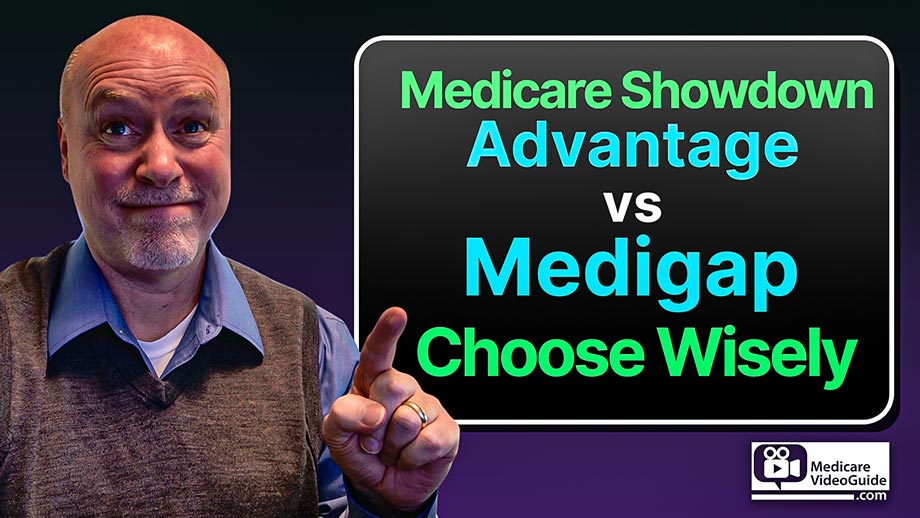
Advantage Plan versus Medigap Supplement – this is the Medicare fork-in-the-road. You’ll choose one or the other, and your decision can affect your experience in ways that affect your life. Let’s look at an easy-to-understand comparison between these approaches to your Medicare coverage.
Medicare Part C, also known as Medicare Advantage, is a replacement plan. They are developed, sponsored, and provided by insurance companies contracted with Medicare. These include Part A (inpatient hospital insurance), Part B (outpatient medical insurance), and usually Part D prescription drug coverage.
Key Features:
If you are a person who wants low upfront costs, some extra benefits, and is willing to do your healthcare within specific networks, Medicare Advantage plans may be your choice.
What Are Medigap Plans?
Medicare Supplements, or Medigap, are designed to help cover the costs not covered in original Medicare. These plans are available in the private health insurance market but are quite different from Medicare Advantage.
Key Features:
Medigap plans are highly appealing to those who frequently travel or prefer to visit healthcare providers of their choice.
Premium Costs
Medicare Advantage plans usually have lower premiums but higher out-of-pocket costs. Medigap plans, on the other hand, come with monthly premiums but almost no out-of-pocket costs thereafter.
Network Constraints
Medicare Advantage plans restrict you to their contracted doctors and healthcare facilities. PPO plans are more flexible than HMO plans, but going out-of-network will cost you more. In contrast, a Medigap Supplement lets you visit almost any health provider accepting Original Medicare (Part A and Part B).
Supplemental Benefits
Most Medicare Advantage plans offer extra perks such as routine dental, vision, and hearing coverage. Medigap plans do not include these benefits.
Prescription Drugs
Medicare Advantage plans typically have prescription drug coverage. You will need a standalone Part D plan when you have a Medigap Supplement.
Travel Coverage
Advantage plans only cover the services within the plan’s service area. Medigap plans are more portable beyond that. Your coverage goes wherever you go. Any plan you choose will cover emergency medical services while traveling nationwide.
Pros:
Cons:
Pros:
Cons:
The choice between Medicare Advantage and Medigap depends on your own healthcare needs, financial considerations, and preferences. If portability and the freedom of access to almost any provider are important, then you’re better off considering Medigap. If you are sensitive about the cost of premiums and like the expediency of an all-encompassing plan, Medicare Advantage may suit you.
I encourage people to think long-term when considering these choices. Focus on what will matter to your future self and choose your course wisely.
Medicare Advantage plans often include drug coverage. Medigap requires a standalone Part D plan.
Medigap may offer more predictability for those with ongoing healthcare needs due to its comprehensive coverage of out-of-pocket costs.
Yes, but there are specific enrollment periods and rules. Switching from Medicare Advantage to Medigap may require medical underwriting.

Direct answer: Original Medicare (Parts A and B) does not cover routine hearing exams, hearing aids, or fittings — and a Medigap Supplement doesn’t add this coverage either, since Medigap only supplements what Original Medicare already covers. If hearing aid coverage matters to you, a Medicare Advantage plan is generally the path to it, but coverage varies enormously between plans — from a modest discount program to comprehensive coverage of premium devices. Knowing exactly what to check before enrolling is what separates a plan that actually meets your needs from one that looks good in a brochure but falls short when you need it.
Why Doesn’t Original Medicare or Medigap Cover Hearing Aids?
This surprises a lot of people, especially those who assume Medigap fills every gap left by Original Medicare. It doesn’t — Medigap only supplements the cost-sharing on services Original Medicare already covers. Since routine hearing care was never covered by Original Medicare in the first place, there’s nothing for Medigap to supplement. This exclusion applies regardless of which Medigap plan letter you have, from the most basic to the most comprehensive.
How Do Medicare Advantage Plans Cover Hearing Aids?
Medicare Advantage plans are private alternatives to Original Medicare, and many go beyond Original Medicare’s coverage by including hearing benefits. But “includes hearing coverage” can mean very different things depending on the plan — some offer a basic discount program with reduced pricing through a provider network, while others offer meaningful allowances or even full coverage toward premium hearing technology. There’s no standardization here the way there is with Medigap, so you genuinely have to read the specifics rather than assume based on a plan’s general marketing.
Use this as a working checklist when comparing Medicare Advantage plans specifically for hearing benefits:
Bottom Line
Hearing aid coverage isn’t something to assume you have — Original Medicare and Medigap both leave it uncovered entirely, and Medicare Advantage coverage varies too widely to take at face value from a plan’s general marketing. Going through this checklist against a plan’s actual Evidence of Coverage document, rather than its summary brochure, is what actually tells you whether a plan meets your hearing care needs. If you need help sorting through the specifics, reach out to an independent Medicare broker — we’re here to listen.
Key Takeaways
Does Original Medicare cover hearing aids?
No. Neither Part A nor Part B covers routine hearing exams, hearing aids, or fittings.
Does Medigap cover hearing aids?
No. Medigap only supplements costs for services Original Medicare already covers, and since hearing aids aren’t covered by Original Medicare, there’s nothing for Medigap to supplement.
Do all Medicare Advantage plans cover hearing aids the same way?
No. Coverage ranges from basic discount programs to full coverage of premium devices, varying significantly by plan and insurer.
What should I check before choosing a Medicare Advantage plan for hearing coverage?
Provider network requirements, whether routine exams are included, fitting session coverage, how much of the device cost is covered, and whether maintenance and batteries are included.
Are hearing aid fittings covered under Medicare Advantage hearing benefits?
Often yes, but the number of included fitting or adjustment sessions varies by plan — worth confirming directly rather than assuming unlimited fittings are included.
By submitting your information, you agree that a licensed insurance agent may contact you by phone or email to answer your questions or provide additional information about Medicare Advantage or Prescription Drug Plans or Medicare Supplement Insurance plans. This is an advertisement for insurance.
Privacy Policy

We do not offer every plan available in your area. Currently we represent six organizations offering thirty products in your area. Please contact Medicare.gov, 1-800-MEDICARE, or your local State Health Insurance Program (SHIP) to get information on all of your options.
Not connected with or endorsed by the United States government or the federal Medicare program.
HEARTWISE, a Senior Health Services affiliate
Copyright © 2026 HEARTWISE, LLC | Privacy Policy