
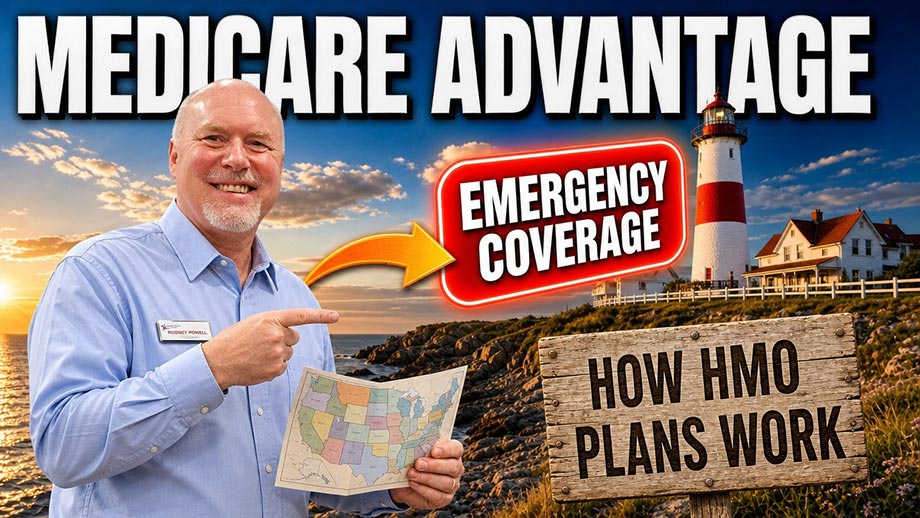
Direct answer: An HMO (Health Maintenance Organization) Medicare Advantage plan requires you to choose a primary care provider from the plan’s network, get referrals from that PCP to see specialists, and generally stay within the network for routine care — going outside it means paying the full cost yourself, with one major exception: emergency and urgent care are covered anywhere in the United States, regardless of network. That exception matters more than most HMO overviews let on, and it comes with a real gotcha worth understanding before you need it.
What Role Does My Primary Care Provider Play?
Your PCP is your care coordinator and gatekeeper — the main point of contact for your medical needs, and the person who issues referrals when you need to see a specialist or obtain certain medical equipment. Building a real, ongoing relationship with your PCP genuinely helps here, since they’re the one navigating your care within the network on your behalf. You can typically change your assigned PCP if the relationship isn’t working, by contacting your plan directly — you’re not locked into your initial choice for the life of the policy.
What’s the Emergency and Urgent Care Exception, and Why Does It Matter?
This is the single most important exception to understand about HMO structure, and it’s federally required, not a plan-by-plan courtesy. Medicare Advantage HMO plans must cover emergency care and urgent care anywhere in the U.S., without requiring an in-network provider or a referral, and without additional restrictions.
Practically, this means if you’re traveling and break your arm, or your grandchild’s visit turns into a nasty flu that needs same-day attention, your HMO has to cover it, out-of-network or not.
Here’s what a lot of general HMO explainers leave out, and it’s a genuine trap: the emergency care exception covers stabilizing the emergency itself — it doesn’t automatically extend to follow-up care. If you’re hospitalized while traveling and the hospital refers you to a specialist for follow-up treatment, that specialist may be entirely out-of-network, and that follow-up visit can carry full out-of-network cost-sharing, even though the original emergency was covered without issue.
There is a real protection here worth knowing: your plan is generally required to cover medically necessary follow-up care connected to the emergency if delaying that care would endanger your health. But this isn’t automatic or unlimited — after you’re stabilized, you or your treating doctor are expected to contact your plan to coordinate next steps, and the plan may require its approval for additional services beyond the initial emergency stabilization.
What Happens If I’m a Snowbird or Travel Frequently?
This is where HMO structure genuinely limits you in a way worth planning around. Medicare Advantage HMO plans are approved on a county-by-county basis, and routine, non-emergency care outside your plan’s service area generally isn’t covered at all — only the emergency/urgent care exception applies. If you split time between two states, a routine doctor visit during your months away from home is likely to be an out-of-pocket bill in full, not a higher-cost-sharing situation the way it might be under a PPO.
If this describes your lifestyle, it’s worth seriously weighing an HMO against a PPO or Original Medicare with Medigap, both of which handle this situation very differently.
Two protections worth knowing:
Is There a Version of HMO With More Flexibility?
Yes — some plans, called HMO-POS (Point-of-Service), function like a standard HMO for most care but include a limited allowance to see out-of-network providers for certain services, generally at a higher cost. If HMO’s referral structure appeals to you but the strict no-out-of-network rule feels too rigid, it’s worth checking whether an HMO-POS option exists in your area.
HMO plans work best for people who genuinely stay local for their healthcare, don’t need frequent specialist access, and are comfortable with the referral process as a normal part of getting care. In exchange for these constraints, HMOs typically offer the lowest out-of-pocket costs among Medicare Advantage plan types — a real trade-off, not just a limitation.
Bottom Line
HMO plans deliver cost-effective, structured care for people whose healthcare needs and travel patterns fit within a defined network — but the nationwide emergency/urgent care exception, and its limits around follow-up care, are exactly the kind of detail that matters when something actually happens rather than when you’re comparing plans on paper. Understanding these mechanics before you need them — not while you’re standing in an out-of-state emergency room — is what actually protects you.
Key Takeaways
Does an HMO Medicare Advantage plan cover care when I’m traveling?
Only emergency and urgent care, which must be covered anywhere in the U.S. regardless of network. Routine, non-emergency care outside your service area generally isn’t covered.
Is follow-up care after an emergency automatically covered under an HMO?
Not automatically. The emergency itself is covered, but follow-up care from an out-of-network provider may require your plan’s coordination and approval, and could carry out-of-network cost-sharing without it.
Can I change my primary care provider under an HMO plan?
Yes, generally you can change your assigned PCP by contacting your plan directly if the relationship isn’t working for you.
Is an HMO a good fit for snowbirds or frequent travelers?
Generally not ideal, since routine care outside your plan’s service area typically isn’t covered. A PPO or Original Medicare with Medigap usually handles this situation better.
What is an HMO-POS plan?
A hybrid HMO structure that includes a limited allowance to see out-of-network providers for certain services, usually at a higher cost than staying in-network.
What happens if my provider leaves my HMO’s network while I’m in treatment?
Continued care protections may allow a limited window of continued in-network-rate care, though specifics vary — confirm directly with your plan if this happens.

By submitting your information, you agree that a licensed insurance agent may contact you by phone or email to answer your questions or provide additional information about Medicare Advantage or Prescription Drug Plans or Medicare Supplement Insurance plans. This is an advertisement for insurance.
Privacy Policy

We do not offer every plan available in your area. Currently we represent six organizations offering thirty products in your area. Please contact Medicare.gov, 1-800-MEDICARE, or your local State Health Insurance Program (SHIP) to get information on all of your options.
Not connected with or endorsed by the United States government or the federal Medicare program.
HEARTWISE, a Senior Health Services affiliate
Copyright © 2026 HEARTWISE, LLC | Privacy Policy