
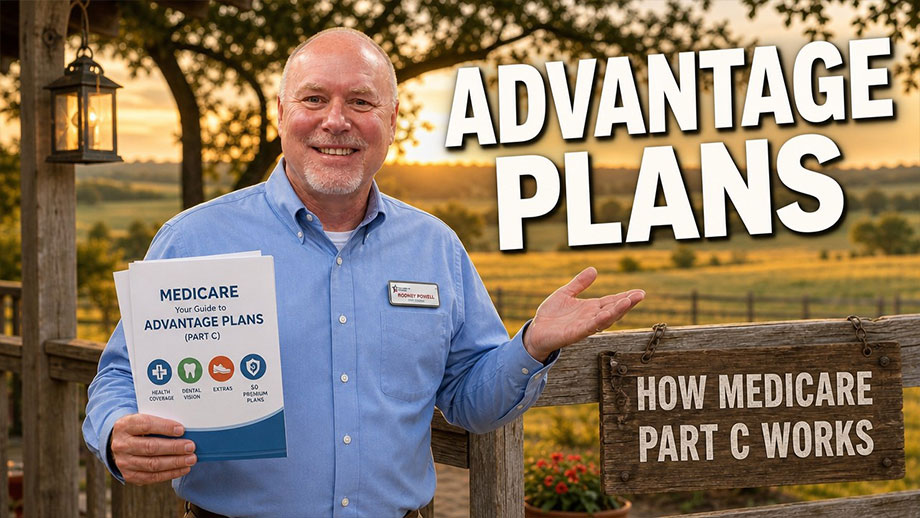
Direct answer: Medicare Advantage (Medicare Part C) is an alternative to Original Medicare, offered through private insurance companies approved by Medicare. These plans bundle Part A (hospital) and Part B (medical) coverage into one plan, and most also include prescription drug coverage (Part D) plus extra benefits like dental, vision, and hearing that Original Medicare doesn’t offer. More than half of eligible Medicare beneficiaries are now enrolled in Medicare Advantage rather than Original Medicare — but whether it’s the right choice depends heavily on your individual healthcare needs, travel habits, and tolerance for network restrictions.
How Do Medicare Advantage Plans Work?
Private insurers contract with Medicare to deliver your Part A and Part B benefits, plus typically Part D and supplemental extras, through their own provider networks and cost-sharing structure. In exchange, plans receive payment from the federal government per enrollee. Most plans use that funding to offer reduced premiums and added benefits, while managing costs through tools like provider networks and prior authorization requirements.
How Do I Find the Right Medicare Advantage Plan?
What Are the Advantages of Medicare Advantage?
Worth noting: federal rules increasingly require insurers to more clearly document which chronic conditions qualify enrollees for these extra benefits and to cap spending on them, so the “extras” landscape is becoming more standardized — and in some cases more limited — than it once was.
Pros:
Cons:
If simplicity, bundled benefits, and cost predictability matter most to you, Medicare Advantage is often a strong fit. If nationwide provider access without network restrictions is the priority, Original Medicare paired with a Medigap policy is generally the better fit.
What’s Changing in the Medicare Advantage Market?
This is worth understanding before you enroll or renew, since the market is actively shifting in ways that affect real beneficiaries:
None of this means Medicare Advantage is going away — enrollment continues to grow — but it does mean you shouldn’t assume your current plan, benefits, or network will stay identical at your next renewal. Reading your Annual Notice of Change letter carefully matters more than ever.
Costs vary by location, insurer, and plan design. Key components to expect:
Understanding these components together — not just the advertised premium — is what actually determines your real annual cost.
Can I Switch Back from Medicare Advantage to Original Medicare?
Yes, though timing matters. You can generally switch during the Medicare Advantage Open Enrollment Period early in the year or the Annual Enrollment Period each fall.
If you’ve been enrolled in a Medicare Advantage plan for less than 12 months, you may have a “trial right” allowing you to switch back to Original Medicare and regain the same Medigap coverage you had before, without going through medical underwriting. This protection matters if you’re considering Medicare Advantage but want a safety net in case it doesn’t work out.
Bottom Line
Medicare Advantage plans can offer comprehensive, often budget-friendly coverage with valuable extras Original Medicare doesn’t provide. But the market is actively shifting — insurers are narrowing footprints, networks are changing, and benefit rules are tightening — so a plan that fit well before deserves a fresh look now, not an assumption it’s unchanged. An independent Medicare broker can walk through your specific doctors, medications, and travel needs against what’s actually available in your area at no cost to you.
Key Takeaways
What is Medicare Advantage?
A Medicare Part C plan offered through a private insurer, bundling Part A, Part B, and typically Part D coverage, often with added benefits like dental, vision, and hearing.
Is Medicare Advantage better than Original Medicare?
It depends on your priorities. Medicare Advantage offers bundled benefits and a cost cap but restricts you to a provider network. Original Medicare with Medigap offers broader provider access nationwide but doesn’t include the extra benefits or out-of-pocket cap.
Can I switch from Medicare Advantage back to Original Medicare?
Yes, during specific enrollment periods each year. If you’ve been enrolled less than 12 months, a “trial right” may let you switch back and regain your prior Medigap coverage without medical underwriting.
Are Medicare Advantage networks changing right now?
Yes. Several large insurers are actively exiting counties and narrowing networks, so verify your specific doctors and hospitals remain in-network before enrolling or renewing.
Do Medicare Advantage plans require referrals?
It depends on the plan type. HMO-style Medicare Advantage plans generally require referrals to see specialists; PPO-style plans typically don’t.
What is prior authorization, and is it changing?
Prior authorization requires plan approval before certain services are covered. Federal rules are pushing insurers toward faster decision timelines, clearer denial explanations, and stronger appeal rights.
How do I compare Medicare Advantage plan costs?
Look at premium, deductible, copays/coinsurance, and the annual out-of-pocket maximum together — not the premium alone, since a no-premium plan can still carry significant cost-sharing.

By submitting your information, you agree that a licensed insurance agent may contact you by phone or email to answer your questions or provide additional information about Medicare Advantage or Prescription Drug Plans or Medicare Supplement Insurance plans. This is an advertisement for insurance.
Privacy Policy

We do not offer every plan available in your area. Currently we represent six organizations offering thirty products in your area. Please contact Medicare.gov, 1-800-MEDICARE, or your local State Health Insurance Program (SHIP) to get information on all of your options.
Not connected with or endorsed by the United States government or the federal Medicare program.
HEARTWISE, a Senior Health Services affiliate
Copyright © 2026 HEARTWISE, LLC | Privacy Policy